Tag Archives: Interviews

10 Things to Know About Your Interviewer

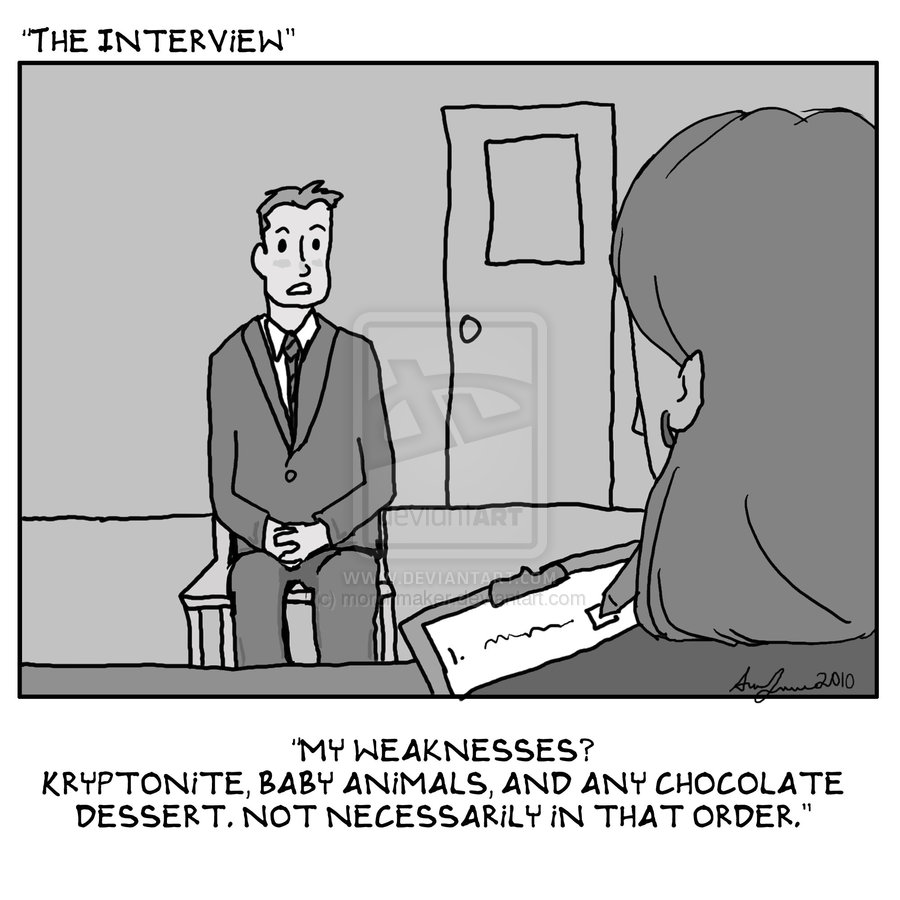
interview-comic

They’re going to Google you. You need to Google them. Most candidates miss this step of the interview process. Gathering this information about your interviewer can give you huge leverage in the actual interview. It takes some extra time and effort, but it’s well worth it.

To make this work, you need one small piece of information, specifically, your interviewer’s name. The best time to get this information is when they call to set up the interview. At some point during the call, you can ask something like, “Do you know who will be conducting the interview?” They’ll probably give you the name. If not, at least you asked. Another place to check is on the appointment invite. They might send you an Outlook appointment, which might include who will be in the room.

Here’s your pre-flight checklist:

  1. Google: This is where I start my investigation. A quick Google search will help you discover a few initial leads for your hiring manager’s background. It’s probable that you won’t find much right off the bat unless the person is a CEO or for some reason has a significant web presence already set up.
  2. LinkedIn: One of the first things you’ll probably find if you look up “Person’s name” and “location” and “company” in Google is the manager’s LinkedIn page. LinkedIn lets you see a public profile. It doesn’t have everything, but it has enough to get you started. Most working professionals these days have a decent profile on LinkedIn. You might have to go through a few different profiles to find one that matches who you think is your hiring manager.
  3. Current company: LinkedIn is very likely going to tell you where that person currently works. It’s not just enough to know what company it is. At least go check the company’s website, a few of their recent press releases, their Wikipedia page, and even potential competitor’s pages. Get to know their industry. Be prepared to talk about it, but don’t try to teach them about it. I guarantee they’ll know more about it than you do.
  4. Previous companies: This step is more about seeing your hiring manager’s past. Have they bounced around a lot through different companies and industries? Have they been promoted recently? Have they been in the same job for the past ten years straight? Do you have any companies or jobs in common? Knowing this information will help guide your answers to content that they will resonate with.
  5. Coworkers: When you look them up on LinkedIn, do you have anyone in common? The world is a lot smaller than we think it is, especially if you are in a specialized industry. If you do have a mutual contact, give that person a call. Tell them that you’re applying for a position with his or her former coworker. Ask a few questions about the hiring manager’s style, background, and interests. If you know your mutual friend very well, you might consider having them put in a good word for you. Be careful not to have more than one or two people put in a recommendation for you. This can get annoying for your hiring manager.
  6. Schools: Most schools take 2-4 years to get through. This is usually a fond memory for most people. You might be able to reminisce about campus life. You might share a love for the same basketball team…you might also be rivals. Just be aware. 🙂
  7. Articles/Books: Some people are published authors. They might have these papers or books listed on their LinkedIn page. You might try a couple Google searches just to make sure. This can give you some deep insights into your hiring manager’s personal style and what they’re really interested in. It will also really impress them if you go in and tell them that you read his or her book, and you really liked some particular principle.
  8. Blogs: This is the less formal version of an article, but it’s usually more personal. Again, this helps you understand what they care about, and gives you a couple additional talking points.
  9. Groups they follow: LinkedIn shows you the groups that your hiring manager is a part of. A single group probably won’t give you a very reliable answer. They may have just signed up on a whim. On the other hand, if they’re signed up for 25 different stamp collector groups, you might have just struck gold.
  10. Facebook, Twitter, Pinterest, Instragram, Tumblr, Jelly…: And then everything else. Sometimes your hiring manager won’t have a Facebook page, or it will be closed to outsiders. Sometimes it’s a life history. It’s worth a look. Twitter is good for helping you see who your hiring manager follows (news organizations, industries, influencers, etc.) and who is following them. Pinterest might tell you what kind of cookie recipes they like… 🙂

Bottom line: The more you know about your hiring manager, the better. If you’ve done your homework, you’ll find that you’ll be able to connect with your interviewer more quickly and at a deeper level. Knowing their background will also give you some ideas about what kinds of questions they might ask, and what answers they may be looking for. If you’re getting ready to go into an upcoming interview, give me a call or send me a text.
10 Tips for a Solid Resume

Your resume is often your first contact with your potential hiring manager. You need to make it spectacular in order to leave a positive impression. Most hiring managers, myself included, usually only spend about 10 seconds or less on each resume. I quickly scan to see if the candidate has the qualifications that I’m looking for. I’m not necessarily looking for the best candidate at this point. I’m only looking for those individuals that meet my minimum standard for an interview. You have 10 seconds to catch my eye. How are you going to do it?

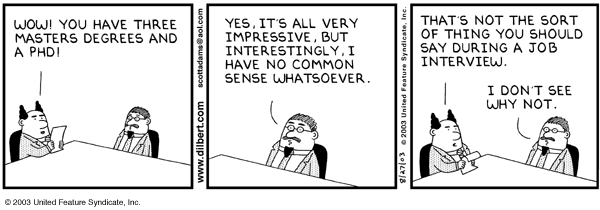
dilbert-resume

Well, I’ll tell you. Here are ten tips for a solid resume:

  1. Make sure that your name and contact info is easily located. I know, this is just like going back to elementary school, but it happens. Either the name is too small that it gets lost in the text or people leave off important information like their email or phone number. I recommend including at least your email and cell number. Remember that you want the hiring manager to be able to contact you as easily as possible by whatever medium they prefer. Also, make sure you test your phone number and email. I’ve tried to call phone numbers before on resumes that were disconnected. Don’t miss the opportunity because you’ve recently changed cell numbers.
  2. Use a simple file name. 90% of the time you submit your resume through a website or email. That means the first thing the hiring manager is going to see is the file name for your PDF or Word document. Please make sure it’s something professional. I recommend something simple like “Jake Lindsay Resume 2014-03.” This way a hiring manager can quickly search for your resume on their hard drive and it will pop up. If you name it something like “My Resume,” or “Project Management Resume,” or “3-4-14,” it will be lost forever.
  3. Add some color. Don’t go crazy. Find a tactful way to include it to highlight key points like job titles or section headers. It helps guide the hiring manager’s eye to important places on the resume. Most of the resume should still be black and white. It’s easier on the eyes and easier on your printer.
  4. Add a logo. Again, keep it simple. I recommend some kind of watermark or simple logo. The easiest thing to do is use your initials. If you are self-employed or own your own business, you might consider using your company logo. Don’t use someone else’s logo. You’re only giving them free advertising.
  5. Leave some white space. Leave some space on your margins. Your hiring manager will likely have your resume in front of him or her in your interview. Give them some space to take notes so they can remember the awesome things you’ve done.
  6. Create clear section headers. This is where most people go wrong. They try to fit so much onto the page that things tend to get smashed together. Create a clear flow that is consistent throughout the resume. You might consider including lines that go the full length of the page to separate your sections.
  7. Align your acronyms. If you want the best chance of getting an interview, make sure to tweak your resume for each individual job that you apply for. Read the job description several times and circle keywords. Then go through your resume and make sure you have all of the same keywords in easy to find places. The first place to start is acronyms. If they have something like HTML/CSS or PMP on the job description, you better have HTML/CSS or PMP on your resume, preferably in a few different places if you want to get called in for an interview.
  8. Use results language instead of activity language. In reviewing my clients’ resume I often find that their bullet points describe actions that they performed rather than things they accomplished. Managers are looking for people who don’t just go through the motions. They want people who are going to drive results. For example, instead of “Posted content daily on social media accounts” use “Increased likes on company Facebook page from 2,000 to 200,000 through daily posting and frequent review of social analytics.”
  9. Include data points. It’s not enough to say that you’re a team player or have a strong work ethic. Everybody says that. Go the extra mile and prove it to me. Give me some numbers that show how hard you worked. Numbers make your argument more convincing.
  10. Set yourself apart. What makes you different from everyone else? Why should I hire you over the next man or woman? If you look like everyone else, then you’ll end up in the reject pile with everyone else. Take some time to gather a list of your wildly successful projects from past jobs. What are a few assignments that you really knocked out of the park, so much so that your manager told their manager about it? Gather your top three to five WSPs and make sure that they are placed in high-profile places throughout your resume. You might even put them right at the top to catch the hiring manager’s attention. Also consider including any awards you may have received like “employee of the month” that show you have a pattern of excellence.

buy-resumeSometimes we get too attached to our own resumes. Don’t worry. I do it too. They are the product of many years or even decades of work. We’ve been adding new bullet points to them each year as we get a new job or finish degrees. It’s almost too hard sometimes to look at them objectively. We tend to miss typos because we’ve read it so many times. Before you apply to any job, make sure to have at least two or three people look it over. One person should be familiar with the industry that you’re applying to work in. One should be unfamiliar with it. That way you can make sure it’s both accessible and targeted. If you’re ready to spice up your resume, let’s talk.

Prezi: Your Interview Trojan Horse

Sometimes you’ll get a homework assignment in association with your interview. Typically if this happens, they’ll say something like, “please be prepared to present for 3-5 minutes on your findings.” Present is your keyword to whip out your Prezi skills. If they don’t mention anything about a projector, you might consider asking them if there will be one in the conference room that you an use.

prezi-banner

If they don’t give you a homework assignment, don’t prepare a digital presentation. Just come with a print-based portfolio. Don’t try to use the projector. It’s a big risk. You might prepare something and they might not have one in the room.

Don’t use PowerPoint. Just don’t do it. As soon as your interviewer sees the bullets his or her brain will turn off. Hiring managers usually have to give a lot of presentations as part of their job and they probably know PowerPoint very well. You have to work really hard to impress them with PowerPoint.

The bar is much lower for alternative presentation technologies. Prezi is a great solution. It’s simple to learn, it’s free, and it has the wow factor that PowerPoint lacks.

If this is your first time around the Prezi block, don’t worry. There are a lot of classy built in templates that you can use. Just focus on minimizing your text, using some good images, and keeping it short. Don’t go over the time they gave you. When you have your presentation ready, download it to your laptop. You don’t want to risk getting into the interview and having wireless problems.

If you really want to blow their minds, check out impress.js or reveal.js. These are JavaScript libraries that let you animate an HTML file. You can run it in your browser from your laptop without wireless, but you’ll probably need a decent foundation in HTML to figure these technologies out.

What about Keynote? This is the Mac equivalent of PowerPoint. I would still recommend Prezi over keynote. If you are adamant about Keynote though, make sure to include some magic transtions. Many people haven’t seen these before and they are easy to put together.

Bottom line. Fancy tech increases your credibility with your interviewer and the standard for success is much lower for Prezi. If you want to talk about Prezi design best practices or how to knock you interview out of the park, let’s talk.

A Few Words About Telling an Interviewer You Want a More Creative Job

You have to earn it.

Don’t get me wrong. I believe that each one of us is born with the desire to be creative. It is part of our divine inheritance from a Heavenly Father who created the universe. But the vast majority of all work done in any business is routine production. The most profitable businesses are those that find their niche, focus on a few core products, and keep producing and selling them day after day after day. If everyone was 100% creative all day long, there wouldn’t be any consistency in the product lines.

creativity

What businesses (and by proxy, hiring managers) are looking for and are hiring for are people who can consistently contribute incremental innovation to the organization, not necessarily unbounded creativity. So it irks me in an interview when a candidate is describing their previous job and they tell me that their previous job wasn’t creative enough. What this really tells me is that they weren’t creative enough to find ways to express their creativity toward the goals of the organization. The reward for consistent incremental innovation toward the company’s established goals will usually be rewarded with increased responsibility and increased freedom to lead more and more creative projects. I know this principle is true because I am living it every day.

Now there are some exceptions. If you are interviewing for a senior level creative director position, then yes, your interviewer will want to hear about how creative you are. But, remember that you didn’t get there by jumping straight to the top of the org chart. You likely had to start at the bottom just like everyone else. You probably spent hours and hours as a graphic designer resizing and cropping photos. You did a really good job of it, and over time you were rewarded with more challenging creative projects. You worked your way up and now your resume and your portfolio demonstrate that growth and the high level of trust that your previous employers had in you. Like I said before, you have to earn the right to be creative.

I can help you brainstorm some ways to start adding incremental innovation to your current or future job. If you’re ready to take that step, let’s get together and talk.