Thank You for Writing a Thank You Letter

As a hiring manager in my day job, I do a lot of interviews, probably 5-10 each week on average. Sometimes a lot more than that. Of all the interviews I do, only 1 in 4 will send a thank you email. About 1 in 50 will send a handwritten thank you. If you want to stand out from the crowd, this is an easy way to do it.
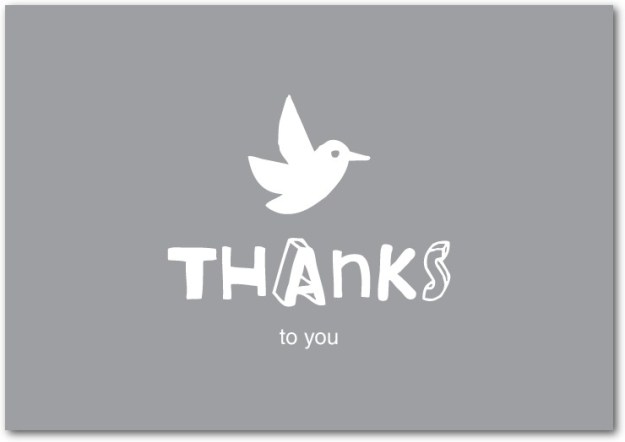
thank-you-card

Here are eight elements to a good thank you letter:

  1. Address the interviewer. In the interview take note of who is in charge. Write down everyone’s name, but don’t be creepy about it. Address the person in charge, but you can scatter the other names in the letter. This makes it feel more personal.
  2. Keep it short. This isn’t an essay. It should only be a few sentences. This isn’t the place where you put in all the stuff you forgot to say in your interview.
  3. Restate your strongest qualifications. In the interview they probably told you the skills and qualities they’re looking for either explicitly or implicitly. Target what they’re looking for and remind them that you have those things. Don’t talk like a used car salesman.
  4. Send the letter within an hour of the interview. Keep the conversation going. This reminds the interviewers that they met with you and that you’re awesome. The longer you wait, the less relevant the gesture becomes, because they’ve likely already made a decision, and the thank you letter won’t affect the outcome.
  5. Do a favor for them. They might ask you for something during the interview. For example, they might find out that you did a project that relates to something they’re working on. Send them a copy. They might find out that you have a connection to someone they’ve been trying to get a hold of. Send them the contact info. Show them that you can add value to their team.
  6. Get started. They probably mentioned in the interview something that you aren’t an expert at yet. If someone shared the title of a book they liked, put it on hold at the library, and tell them about it. If they talked about how Excel pivot tables are awesome, go watch a couple videos about them on Lynda.com. Showing that you did this demonstrates your passion for learning and eagerness to get started.
  7. Send some links. It’s hard to show off your full-length movie in a 30 minute interview. Send them links to projects you’ve worked on or a digital copy of your portfolio that they can review later. Your printed portfolio will likely end up on their desk in a pile of other resumes. The that you email or card is something they can easily go back to and look at. If you’re going to write a handwritten letter consider using a short bitly link to point them to your content.
  8. Include your contact info. Make sure that it is crazy easy for them to contact you. You want them to call you and offer you the job. Show that you are easily accessible.

Thank you letters are quick, easy, and can put you one point ahead of the next candidate. Make a habit of sending them after each interview. Let’s talk about prepping a thank you letter for your next interview.

Prezi: Your Interview Trojan Horse

Sometimes you’ll get a homework assignment in association with your interview. Typically if this happens, they’ll say something like, “please be prepared to present for 3-5 minutes on your findings.” Present is your keyword to whip out your Prezi skills. If they don’t mention anything about a projector, you might consider asking them if there will be one in the conference room that you an use.

prezi-banner

If they don’t give you a homework assignment, don’t prepare a digital presentation. Just come with a print-based portfolio. Don’t try to use the projector. It’s a big risk. You might prepare something and they might not have one in the room.

Don’t use PowerPoint. Just don’t do it. As soon as your interviewer sees the bullets his or her brain will turn off. Hiring managers usually have to give a lot of presentations as part of their job and they probably know PowerPoint very well. You have to work really hard to impress them with PowerPoint.

The bar is much lower for alternative presentation technologies. Prezi is a great solution. It’s simple to learn, it’s free, and it has the wow factor that PowerPoint lacks.

If this is your first time around the Prezi block, don’t worry. There are a lot of classy built in templates that you can use. Just focus on minimizing your text, using some good images, and keeping it short. Don’t go over the time they gave you. When you have your presentation ready, download it to your laptop. You don’t want to risk getting into the interview and having wireless problems.

If you really want to blow their minds, check out impress.js or reveal.js. These are JavaScript libraries that let you animate an HTML file. You can run it in your browser from your laptop without wireless, but you’ll probably need a decent foundation in HTML to figure these technologies out.

What about Keynote? This is the Mac equivalent of PowerPoint. I would still recommend Prezi over keynote. If you are adamant about Keynote though, make sure to include some magic transtions. Many people haven’t seen these before and they are easy to put together.

Bottom line. Fancy tech increases your credibility with your interviewer and the standard for success is much lower for Prezi. If you want to talk about Prezi design best practices or how to knock you interview out of the park, let’s talk.

7 Ways to Become a Leader

In every interview I’ve been in, on either side of the table, someone has asked about the candidate’s leadership and management experience. Why is this such a popular question? Well, two primary reasons. First, most managers don’t want to spend their whole day telling their new employees what to do. They need someone who is a self starter who will figure things out on their own.

five-levelsSecond, almost every job will require the employee to be responsible for projects or people. Interviewers want to hear that you’ve had a positive track record and won’t drop the ball.

But this is a vicious cycle. If everyone wants to see management experience on the résumé, but won’t give you a chance if you haven’t done it before, it’s hard to get started.

But not that hard. Here are some ideas of how you can get some leadership experience on your résumé, without actually being in a management role.

  1. Try something new. For several years all of the other tech companies looked to Apple as a leader because they broke new ground with the iPhone. Your new project doesn’t have to be big. Come up with a new idea. Try it out. Tell a few people about it.
  2. Volunteer for a new assignment. Go find a busy person who has too much to do. Volunteer to take something on for them. This might take a few tries. Don’t give up. When they do give you something, get it done as soon as possible and report back. Do it right and you’ll become their goto guy or gal.
  3. Go to a meeting prepared. Most meetings I go to, most people haven’t prepared anything because they just came from something else. If you actually go in with a printed list of ideas and pass them around, you control the meeting. You are the leader.
  4. Hire some help. The best place to start is an intern or part-time employee. Because they are brand new, they will look to you as the leader.
  5. Do regular one-on-one meetings. Meet with your new employee every week or two for 30 minutes. Talk through any questions they may have. Take time to mentor them and help them understand possible career paths.
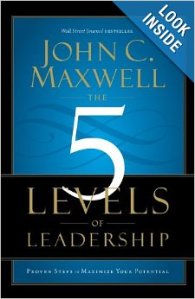
  6. Read a book. There are a lot of great books out there about leadership. Try It’s Your Ship, Great by Choice, or the Five Levels of Leadership. Find a few ideas in the book that you can put into practice and try them out. Tell a few people about it.
  7. Take a class. This one takes the most time. It takes a lot of work to complete an MBA or similar degree but it opens a lot of additional possibilities for your career. People will be more likely to trust you with leadership assignments.

This isn’t a comprehensive list, but it’s a start. If you would like to talk about some leadership ideas for your particular situation, let’s get in touch.

Use the Portfolio on Your Boss

Portfolios aren’t just reserved for your next interview. In fact, I’d actually recommend that you try it out in a few other places first so that you’ll be more comfortable and confident when you really have to deliver.

portfolio-screenshot

People are visual. One of the best ways to capture their interest is through pictures.

Here are five additional ways to show off your portfolio.

  1. One-on-one with your boss. Occasionally employees are transferred from one team to another or departments are reorganized. This is a great time to highlight your accomplishments and skills in pictures and start the relationship off on a good foot.
  2. End of the year review. With merit increases on the line, this is the time to pull out the big guns. Make sure your manager knows all the great stuff that you’ve done.
  3. Team get-to-know you activities. Get everybody on your team together for an occasional brown bag. Have a couple people share their portfolios. As you help your team better understand each other’s skills, you will build trust and increase productivity.
  4. Graduate school interviews. Yep. I recently interviewed with one of the professors from BYU to get into their MBA program. I whipped out the portfolio at the beginning and it facilitated a great discussion. And I got accepted!
  5. With your spouse. I hear sometimes that men or women try to avoid talking about their work with their spouse because it’s too complicated. Try showing some pictures. You’ll both learn a lot about each other and it will be good prep for that big upcoming interview.

If you would like to learn more about career portfolios and how to use them in or out of an interview, let’s get in touch.

Ask to Sit in on Interviews

I’ve noticed that very few people have had the opportunity to conduct interviews. Sitting on the other side of the table and then hearing the discussion after the interview can be a very enlightening experience. It helps interviewees better understand what panels want to hear.

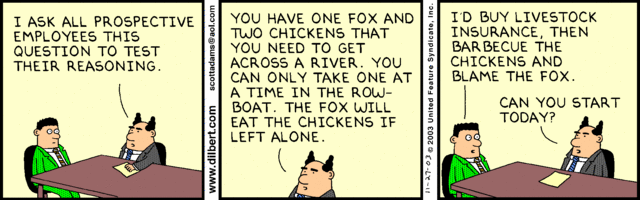
interview-fox

That being said, when conducting an interview, you probably don’t want more than four interviewers. Why? Well, first, it means that other daily work isn’t getting done, and second, you don’t want to intimidate your interviewee so much that they aren’t able to act naturally.

When I conduct an interview, in addition to myself, I try to have a couple team leads and one other employee (the learner) there. Before the interview, it’s best to do some coaching with the learner if it’s their first time. Suggest a couple good questions they could ask. Give them a nod in the interview when it’s his or her turn. After the interview take a few minutes to ask them how it went and what all of you could have done better.

What’s most important is that they get to hear and participate in the decision making process of choosing one candidate over another. As a leader, take the time to guide them and teach them. Highlight things you noticed about what the candidates did well or didn’t do well.

At the end ask them what they will do differently in their next interview based on what they saw and heard. Have them write it down so they don’t forget. You’ll be amazed at how fast this can build a person’s confidence and interviewing skills.

Over time, you’ll get two great rewards from this investment. First, your team members will perform better in their interviews and second, you’ll be able to delegate more of these responsibilities over time, opening yourself up to do more complex work in the future.

If you would like to know more about coaching your team members about how to be good interviewers, let’s get together for a free consultation. You can also give me a call or send me a text.

business-card-front einstein-card

How to Create an Epic Interview

Interviews are all about being one step ahead of the next candidate. I get asked sometimes how a person can make a strong positive impression on his or her interview panel. I think the best place to start is to pretend you’re a movie star. If this was a movie, what would make your interview EPIC?

223470_10150168295388950_1398514_n

Here are a few successful strategies.

  1. Bring a portfolio. Very few do it. Pictures make your accomplishments feel more real.
  2. Send a follow up thank you. Probably one in five send an email. About one in twenty send a handwritten letter. Be awesome. Do this.
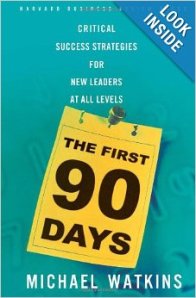
  3. Bring a 90 day plan. Very few people actually go into an interview thinking about what they’re going to do in the first 90 days. Do your homework and find out what the job really requires. A well thought out and realistic plan helps an interview panel have more confidence in your future with their organization.
  4. If they give homework prior to the interview, go above and beyond. I once was asked to analyze a web page and present recommendations for improvement during the interview. In addition to that, I also conducted some usability testing, created a prototype page, got it approved, and published it. Interviewers like to see bold actions.
  5. If they ask for anything in the interview, report back as quickly as possible and exceed their expectations. I was recently asked for contact information for someone in my network. Not only did I get it back to the interviewer that same day, but I also reached out to two other people, got their approval, and shared their contact info also.
  6. If they comment that you’re lacking in something, walk out of the interview and do something amazing to prove them wrong. A friend of mine was told in an interview that he didn’t meet the education requirements for the job. He went home that night, applied for his next degree and sent an email back to the interviewers letting them know of his work.

Now, these strategies won’t always get you the job, but they will create a lasting positive impression with your interviewers. Don’t be discouraged I they don’t pick you. You may have lost the battle, but you’re going to win the war. This will likely open future opportunities for you to participate in new projects that will prepare you for your next promotion.

The person who shows the most passion, initiative, experience, and desire gets the job. If you would like more ideas about how to wow your interview panel, let’s get together.

A Few Words About Telling an Interviewer You Want a More Creative Job

You have to earn it.

Don’t get me wrong. I believe that each one of us is born with the desire to be creative. It is part of our divine inheritance from a Heavenly Father who created the universe. But the vast majority of all work done in any business is routine production. The most profitable businesses are those that find their niche, focus on a few core products, and keep producing and selling them day after day after day. If everyone was 100% creative all day long, there wouldn’t be any consistency in the product lines.

creativity

What businesses (and by proxy, hiring managers) are looking for and are hiring for are people who can consistently contribute incremental innovation to the organization, not necessarily unbounded creativity. So it irks me in an interview when a candidate is describing their previous job and they tell me that their previous job wasn’t creative enough. What this really tells me is that they weren’t creative enough to find ways to express their creativity toward the goals of the organization. The reward for consistent incremental innovation toward the company’s established goals will usually be rewarded with increased responsibility and increased freedom to lead more and more creative projects. I know this principle is true because I am living it every day.

Now there are some exceptions. If you are interviewing for a senior level creative director position, then yes, your interviewer will want to hear about how creative you are. But, remember that you didn’t get there by jumping straight to the top of the org chart. You likely had to start at the bottom just like everyone else. You probably spent hours and hours as a graphic designer resizing and cropping photos. You did a really good job of it, and over time you were rewarded with more challenging creative projects. You worked your way up and now your resume and your portfolio demonstrate that growth and the high level of trust that your previous employers had in you. Like I said before, you have to earn the right to be creative.

I can help you brainstorm some ways to start adding incremental innovation to your current or future job. If you’re ready to take that step, let’s get together and talk.

Free Consultation

Are you ready to take the next step in your career? I can help you get there. There are few things I enjoy more than giving someone all the secrets he or she needs to stand out from the pack in his or her next interview and score that next big promotion. That could be you. Here are some examples of success stories of people I’ve recently coached.

business-card-front einstein-card

I’m very aware that there a lot of websites out there that will create a résumé for you for free. But what they really only do is just drop your existing content into a new package. What you really need is insider knowledge about the actual content that hiring managers are looking for and how to represent your experience in a away that will catch their eye. That is where I come in.

I always give everyone a free 15 minute consultation. This gives us a chance to get to know each other and for you to ask questions about how I can help you.

From there pricing looks like this:

Resume buy-cover buy-portfolio buy-interview buy-thank-you buy-90

But tell you what, because my business operates exclusively on referrals, I’ll cut the prices above in half, if you refer five of your family or friends who sit down and meet with me. I’m a lot more interested in helping as many people as I can than in earning a few more dollars.

Fill out the form below and I’ll contact you as soon as possible. Today is the day to go after your next promotion. Let’s get started.

Education: Skate to Where the Puck Is Going to Be

Legendary hockey player Wayne Gretsky said, “I don’t skate to where the puck is now. I skate to where it’s going to be.” You need to take the same mindset about your education.

Think about your next promotion. Have you seen a job description for it? What were the education requirements? If you haven’t seen a job description or the there isn’t one, what is the level of education of the other people in that role?

graduation

For example, there is a job I’ve been looking at for a little while. The job description says a masters degree is preferred. However in meeting with the people in that role, I’ve noticed that most of them have a PhD or an MBA. Regardless of what the job description says, two advanced degrees are the benchmark. Guess what, it’s time to go that degree.

The thing about degrees is that they take a long time to acquire. If you know where you’re headed and what job you want to have a couple years down the road, today is the day to start working on that degree.

What if the interview is next week? Well, do the best you can to represent your concrete desires to seek more education. You can mention that you’ve started your application for a particular program or that you’ve requested additional information from the college. Being accepted to the program is worth more points, as is completing a few semesters. Wherever you are in the program, do your best to represent all the education you have. Time to start that application!

One caveat. It is possible to have too much education. If you’re applying for a promotion, put down as much education as you can. If you’ve been laid off and you’re trying to get back into the entry level positions, you should consider taking your PhD and/or masters degree off of your résumé for those applications.

I see many resumes come across my desk for entry level jobs that make individuals look very overqualified. When I see this, I think two things. One, if I give them the job when they’ve become accustomed to a position higher up the ladder, they’ll still be looking for something that gets them back there and they’ll likely be gone soon after they’re hired. Second, it makes me wonder why they got laid off in the first place and I begin to doubt their qualifications.

Bottom line: get as much education as you can as fast as you can. If you do, you’ll have it when the opportunity arises. If the job you want doesn’t need it, just leave it off.

If you have questions about your particular situation, let’s get together to talk about it.

Go In With a 90 Day Plan

amazon

Hiring a new employee is painful. Hiring managers are already typically in a lot of pain from losing their previous employee. Production is halted and the manager is worried about how long it will take before he or she can get you up to speed so they can go back to work.

Showing them an informed 90 day plan is your golden key. This will ease their anxiety about how long it will take to grain you before you are self sufficient. How do you get this key? Networking. Go to the former employee, a current employee in a similar role, or one of he manager’s peers. They might be able to give you an idea of what to put on your plan.

Five things to watch out for:

  1. An uninformed 90 day plan will hurt you more than help you. When in doubt, leave it out.
  2. Keep it simple. Most offices are in a constant state of change. A very rigid plan will likely be shot to pieces during the couple months.
  3. Include some meat. Fluffy plans yield fluffy results. Increase teamwork is fluffy. Conduct three innovative object lessons demonstrating collaboration best practices is not.
  4. Make yourself accountable. Include key performance indicators in your plan. Putting up some concrete numbers will allow your hiring manager to track your performance and then hopefully reward you when you accomplish them.
  5. Ask for their advice. If you feel like your plan has hit the mark with your interview panel, feel free to ask a couple questions about how it could be improved. Consider asking what a “wildly successful project” would look like for this role.

Want some additional ideas for your 90 day plan? Let’s get together and chat.