Category Archives: Portfolios

What if My Interviewer Doesn’t Give Me the Chance to Present My Portfolio?

I believe the best time to present your portfolio in a first interview is at the very beginning of the meeting. Most interviewers will start with a question such as “In 3-5 minutes tell us about yourself.” This is your cue to respond with something like, “I’ve prepared a visual portfolio to do just that. Here is a copy for each of you.” And then you’re off.
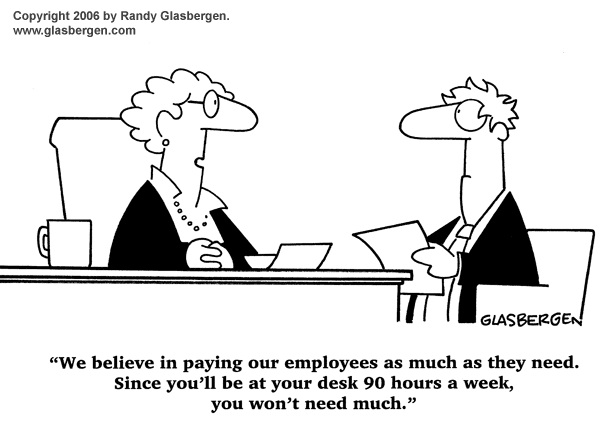
salary-comic

But occasionally I hear from clients that the interviewers skip the introductions and go straight into the scripted questions. What do you do then? Don’t despair. You’re still in control. You have four options.

  1. Stop the interview and insert your portfolio. This probably isn’t a good idea. Interviewers want to feel in control of the conversation. Disrupting the flow, especially with interviewers who skip the chit chat, will turn into an awkward situation really quickly. But at least know that it’s an option.
  2. Don’t use the portfolio at all. This is ok, but you’ll probably feel a frustrated because you had a secret weapon that they didn’t let you use. It might throw off your grove through the rest of the interview, unless you have a backup plan like option 3.
  3. Slip it in at the end. Even if your interviewers skip the get to know you questions at the beginning, almost every panel will ask you at the end, “Do you have any questions for us?” If you feel like you can only ask one question, say “I’ve prepared a portfolio for you to review. I would love the chance to spend a few minutes with you in a future interview to walk you through it and show you why I feel I’m the best candidate for this position.” If you feel like you could ask a couple questions, ask about wildly successful projects first, and then tease the portfolio.
  4. Include a link to it in the thank you letter. If your interviewers are super hard core, or they run out of time, they might not even give you the chance to ask questions at the end. If this is the case, there’s still hope. When you send your thank you letter to your interviewers the day after, include a link to your portfolio. I recommend that candidates put the portfolio in the public folder of their Dropbox, and put that link into a link shortener like Bitly.com. You can shorten the Dropbox link to a custom URL like http://bit.ly/jacob-lindsay-portfolio. This is short enough that you could also write it out on a physical thank you card. The best part about Bitly is that you can track if anyone has clicked that custom link. If you see a click on it, then you know your interviewer has at least opened it.

Bottom line: If you don’t get to present your portfolio at the beginning of the interview, don’t lose heart. You still have a couple ways to get your wildly successful projects in front of your interviewer. If you would like to talk more about interview best practices, give me a call, or send me a text.
14 Things to Put in Your Career Portfolio

In meeting with my clients, I often get asked questions about what they should put in their career portfolios. Here’s a short list of things to consider. This doesn’t mean that you have to include all of them. For some jobs, these things might not be appropriate. Also, if you don’t have experience in a given area, don’t stretch the truth.

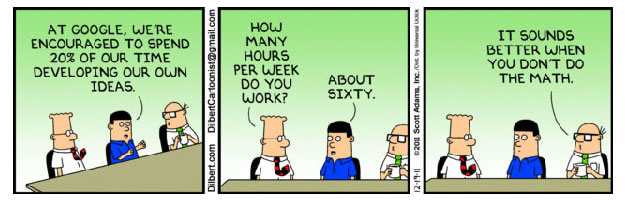
dilbert-google-200

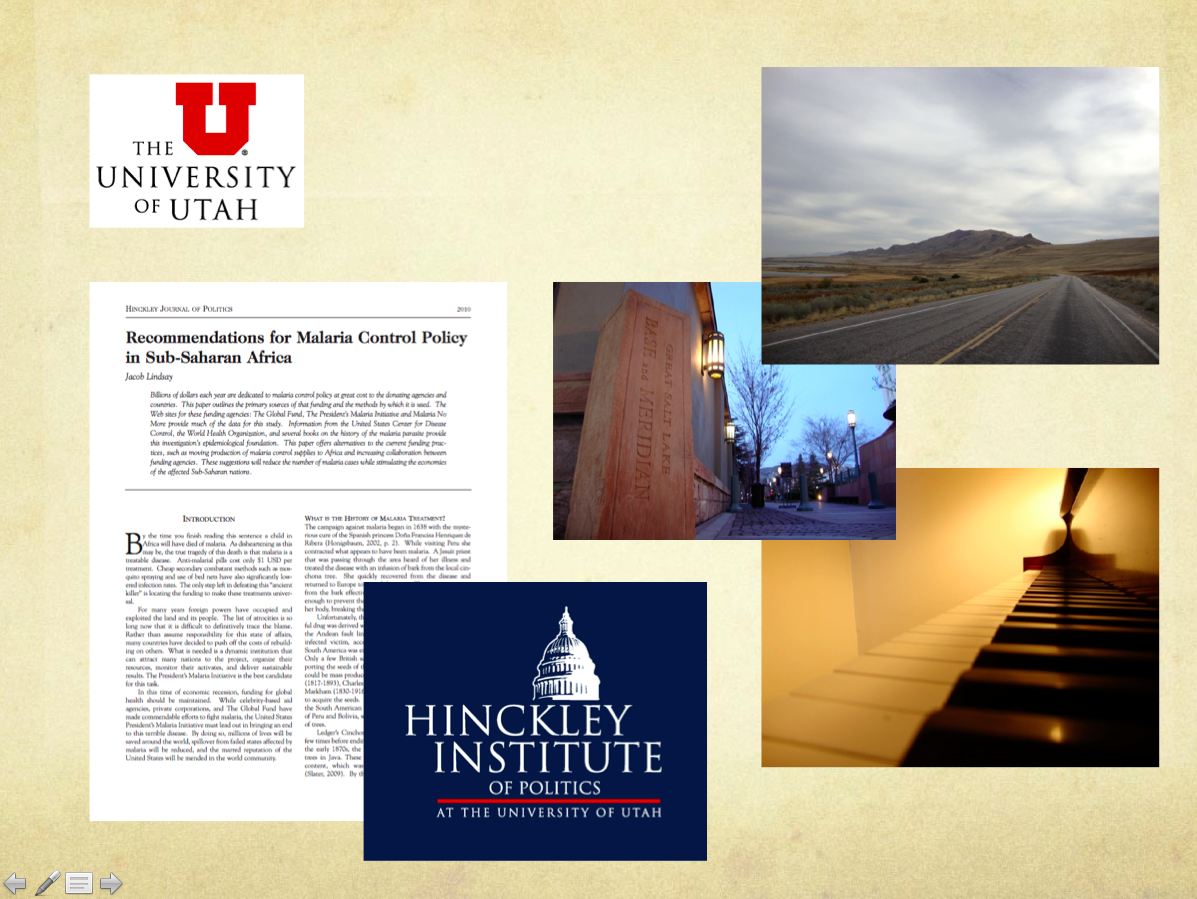
Your portfolio should be no more than 10 pages long. You can include two slides per page. You should be able to get through it in no more than five minutes. Don’t try to pack everything you’ve ever done into the portfolio. This is only your best stuff.

  1. Education: Your education is the beginning of your story. Hiring managers want to know that you have a solid foundation in the discipline in which you will be working. Include a recognizable logo from your school. Include some interesting pictures of your thesis, capstone project, or key projects that you did along the way as a team. Include a slide for each degree you have obtained.
  2. Work experience: I recommend that you have at least one slide for each organization that you have worked for in the past five years. Organize them in chronological order. Focus on highlighting your wildly successful projects. This doesn’t mean your day-to-day work. These are the projects that both you and your manager are proud of.
  3. Volunteer service: For most people I know, the most significant volunteer experience they’ve had was an LDS mission. I encourage people to include one slide for this. Use an image of the country or state where you served. Include a picture of you with other missionaries and one of you with the local residents. As you talk about the experience, make sure to mention that you learned and are still fluent (if that’s true) in your mission language.
  4. Awards: Think back over your lifetime. Were there any significant awards that would mean something to your hiring manager? What about academics, sports, or performing arts awards? Did you receive a scholarship for your undergraduate degree? Did you make the dean’s list? Don’t spend a lot of time on these things unless they directly relate to the job, but they show that you can go above and beyond.
  5. Languages/international experience: Have you completed internships outside of the US? Did you serve an LDS mission? Did you serve in the army? Did you perform some other kind of volunteer service? Have you traveled outside of the US for a business trip? More and more, companies are looking for candidates with international experience. Make sure you highlight it if you have it.
  6. Presentation experience: Most jobs will require you to present ideas to your team or clients. List the presentation software that you’re familiar with. This could include logos of PowerPoint, Keynote, Prezi, Reveal.js, Impress.js, etc. If you have presented to groups of 100+, include a picture of you at the pulpit with a picture of something you presented.
  7. Writing experience: In most jobs, you’ll find yourself sending a considerable about of emails on any given day. Employers want to know that you can communicate effectively. Sloppy writing can sometimes destroy your credibility with your stakeholders and clients. Do you have a blog? Have you published any articles?
  8. Software tools: What software tools is your hiring manager looking for? Do they want you to know the Adobe Creative Suite? Perhaps Microsoft Office? PeopleSoft? Maybe project management software like AtTask, Basecamp, Asana, or Microsoft Project? Make sure to include logos for the top five that you think they might want.
  9. Hobbies: One slide of your hobbies outside of work is OK, as long as it meets three standards: it’s relevant in some way to the job you’re applying for, it’s not weird (this will vary from job to job), and you keep it really short.
  10. Books: This is a form of informal education. It shows you are interested in constantly increasing your knowledge and skills on the job and off the job. Include a few books that are relevant to the job. Business books are preferred. Don’t put up cover images of the latest teen fiction fad. This is also a good slide for other learning resources like Lynda.com, Codeschool.com, etc. that you frequent.
  11. Leadership experience: During almost every job interview I’ve been in, one of the interviewers has asked the candidate about his or her experience with managing people. If you’ve done a lot of management, include a slide or two about your efforts to develop your people and try innovative things. If you haven’t, find ways to talk about leadership in your other projects. You’ll preemptively answer the question.
  12. Project management experience: Same as the above. Everybody wants to know if you can deliver results. This means scope, schedule, and budget. Include something about you managing budgets and completing projects ahead of time. If you have received a certification in project management like the PMP or Agile, include the logo.
  13. Strengths and weaknesses: Ever gotten this question? Yep, me too. Anticipate the question by talking about it briefly during your portfolio presentation. Theoretically, everything in your portfolio is a strength, but think about what could be a weakness too. The best way to approach this is by talking about some new thing that you tried recently for the first time and succeeded. Tell your interviewer that while it was a success, you know that you still have a lot you would like to improve.
  14. An opening and closing slide: Just like every essay or project you turned in during college, you need to put your name on it. You want it to be very clear for your interviewers who this awesome portfolio belongs to. Try adding a tagline with your greatest strengths. Something like “Innovative leader, dedicated student, technical specialist” that targets the job you’re applying for. This anticipates their last question, “What makes you the best candidate for the job?” You already have your three bullet points right there in front of you.

I hope this gives you some ideas of where to start. The two most important things to remember as you’re creating this portfolio are to first, focus as much of your content as possible on the work you’ve accomplished that relates directly to the job you’re applying for, and second, keep it short. You don’t want to take up too much time in the interview that prevents the interviewers from asking their standard questions. They’ll get frustrated.

If you’re ready to create a portfolio that will help you confidently answer that time-old question, “So tell us about yourself” at the beginning of almost every interview, give me a call or send me a text.

Use the Portfolio on Your Boss

Portfolios aren’t just reserved for your next interview. In fact, I’d actually recommend that you try it out in a few other places first so that you’ll be more comfortable and confident when you really have to deliver.

portfolio-screenshot

People are visual. One of the best ways to capture their interest is through pictures.

Here are five additional ways to show off your portfolio.

  1. One-on-one with your boss. Occasionally employees are transferred from one team to another or departments are reorganized. This is a great time to highlight your accomplishments and skills in pictures and start the relationship off on a good foot.
  2. End of the year review. With merit increases on the line, this is the time to pull out the big guns. Make sure your manager knows all the great stuff that you’ve done.
  3. Team get-to-know you activities. Get everybody on your team together for an occasional brown bag. Have a couple people share their portfolios. As you help your team better understand each other’s skills, you will build trust and increase productivity.
  4. Graduate school interviews. Yep. I recently interviewed with one of the professors from BYU to get into their MBA program. I whipped out the portfolio at the beginning and it facilitated a great discussion. And I got accepted!
  5. With your spouse. I hear sometimes that men or women try to avoid talking about their work with their spouse because it’s too complicated. Try showing some pictures. You’ll both learn a lot about each other and it will be good prep for that big upcoming interview.

If you would like to learn more about career portfolios and how to use them in or out of an interview, let’s get in touch.

Wildly Successful Projects = Promotions

For most jobs these days you are probably competing with anywhere from 20-100+ other candidates. Even if you’re only competing against five other people, you still need to find a way to stand out from the crowd.

The best way to do this is demonstrating to your interviewer examples of your wildly successful projects. The term “wildly successful project” (WSP) comes from the book Paid to Think. Essentially widely successful projects are those that your boss’s boss knows about. If it didn’t get on his radar, it means it probably wasn’t important enough to get passed up the chain.

This is my favorite wildly successful project… 🙂
315551_10150832967105321_188416458_n

Completing a wildly successful project is a game changing event for both you and your organization. It goes way beyond the responsibilities of your day-to-day work. If you’re looking for a promotion, the best way to do this is to get as many WSPs under your belt, on your résumé, and in your portfolio as possible.

Knocking out consecutive WSPs is evidence that you are qualified to solve problems that are bigger than those detailed in your current job description. If you’re showing that you’re already solving your boss’s big problems it makes it a lot easier for them to officially change your job title.

Let’s get together and talk about what your next WSP could be, how to execute it, and how to best represent it in an interview.

The Power of the Portfolio

Whenever I first mention the word portfolio, most people quickly think of a photography or art portfolio. It’s a similar concept, but different style. The purpose of the portfolio is to quickly show your interview panel examples of projects you’ve done throughout your career. These pictures become evidence of your skills and qualifications. They carry a lot more weight than bullet points on your resume.

Screen Shot 2014-02-22 at 8.05.31 PM

5 Tips for Your Portfolio

  1. Portfolios, just like resumes, need to be targeted to the specific position. Each job posting will include hints about what interviewers are looking for. Create a base portfolio and then add and subtract as appropriate.
  2. Use as few words as possible. Your portfolio should not make sense without your commentary. This allows you to be the focus of the interview rather than your portfolio.
  3. Show examples of your best work, but not all of your work. Each example should be awesome. Including a lot of average examples makes you appear like an average applicant.
  4. Keep it short. You should be able to present your whole portfolio in under five minutes. You need to give your interviewers enough time to be able to ask questions.
  5. Print multiple copies of the portfolio. It’s often awkward to try to pull out a computer and/or connect to a projector in an interview, especially if the interviewers are not expecting it. Printing copies also allows them to take your work with them after you leave.

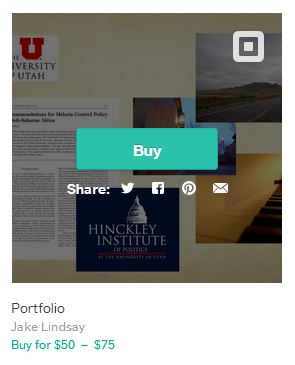
buy-portfolioBottom line: people are visual. Pictures make your achievements feel more concrete to a hiring manager than bullet points on your resume ever could. A portfolio sets you apart from the pack. If you’re interested in having me create a portfolio for you, let’s get in touch. You can give me a call or send me a text at 801-419-2013.