Category Archives: Leadership

20 Book Titles to Drop in an Interview

From one of my favorite business books Paid to Think by David Goldsmith: “Various studies have indicated a link between reading business books and earning more money…fifty-one percent of leaders spend more than four hours a week reading to stay informed.”

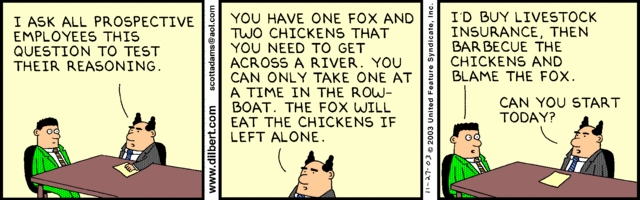
dilbert-books

So two things to takeaway from this. First, if you want to earn more money, read more books (I recognize there isn’t a direct correlation here). Second, you should be aware that your hiring manager probably reads a lot. Most of their good ideas that got them into their management position, probably came from books they read. You will likely win some extra points if you drop a few (not all twenty) book titles or related concepts during your interview. Be prepared to be able to discuss any of them that you mention though. They might start digging and you will want to be prepared to answer tough questions. Mentioning books like this shows a hiring manager that you are interested in consistently learning about new ideas and applying them to your work.

This isn’t a comprehensive list of books that can score you points in an interview. These are just a few of the books that I’ve stolen ideas from. 🙂

  1. Winning, Jack Welch: Jack was the CEO of General Electric for many years. He’s a no-nonsense leader with a lot of great practical advice.
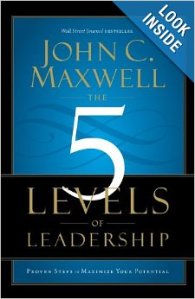
  2. The 5 Levels of Leadership, John Maxwell: Another classic leadership book. John was originally an Christian minister, who later became a leadership evangelist.
  3. The 21 Irrefutable Laws of Leadership, John Maxwell: More great stuff. Everybody loves lists, right?…
  4. Outliers, Malcolm Gladwell: Malcolm highlights some interesting concepts about how people stand out from the crowd. Tipping Point is also a great read.
  5. The Gamification Revolution, Gabe Zichermann: Gamfication is pretty trendy around the office these days.
  6. Tribes, Seth Godin: Godin is one of my heroes right now. This book inspired me in part to start this website/book adventure. The book focuses on helping you see the need to lead people with similar interests.
  7. Platform, Michael Hyatt: Another famous blogger. Michael talks about leadership and online blogging/marketing.
  8. The Innovator’s DNA, Jeff Dyer: The foundation for this book is Clayton Christensen’s book Innovator’s Dilemma. Jeff’s book takes these concepts and uses them to discuss how leaders can become more creative.
  9. The Innovator’s Dilemma, Clayton Christensen: Read the original book. Any of the others in the series will make more sense if you do. Basically, mature companies continue to use the same technology because it works well. Then some other little company creates a new technology that helps them grow very quickly. The big company ignores them, because they think their size will save them, and it’s hard for big companies to change.
  10. To Sell is Human, Daniel Pink: Daniel is known for studying motivation in the workplace. Drive is a nifty book too. In this book he talks about how we should all spend some time learning how to sell, not used car salesman selling, but authentically providing real solutions to people’s problems.
  11. Paid to Think, David Goldsmith: A handbook for leading in a large corporation. This is where I first encountered the concept of wildly successful projects.
  12. The Lean Startup, Eric Ries: This book describes how to create and grow a successful startup business. It focuses on iterative product development and testing with users. You pivot your product design based on feedback from from users.
  13. Never Eat Alone, Keith Ferrazzi: Keith is the master of networking. He teaches readers how to reach out to their friends, family, and colleagues in order to advance their careers.
  14. Great by Choice, Jim Collins: One of the business classics. Jim has done extensive business research to determine the key qualities of the leaders who guided their businesses through tough times and beat out the competition. Well-known concepts from the book include the twenty-mile march, 10Xers, leading above the death line, and SMaC recipes.
  15. Influencer, Kerry Patterson: This book helps leaders understand how to build and organize centers of influence to drive change within an organization.
  16. Crucial Conversations, Kerry Patterson: Another book by Patterson. There is some crossover in the concepts, but this book focuses more on best practices for approaching and holding difficult conversations.
  17. Multipliers, Liz Wiseman: This book does a great job of describing how leaders can either hoard power and isolate their employees, or instead empower their employees to become problem solvers. The latter multiples the capacity of the organization to get much more work done.
  18. The First 90 Days, Michael Watkins: This book works especially well for interviews because it shows that you’ve studied how to get up to speed quickly in a new job and start delivering value to the organization.
  19. 12: The Elements of Great Managing, Rodd Wagner: One of my personal favorites. The Gallup Organization conducted over 10 million interviews across 114 countries to find out what helped employees feel satisfied and motivated. Applying these 12 principles will revolutionize your team and change your career.
  20. Getting Things Done, David Allen: Hiring managers want to hear that you can deliver results. This book discusses how you can prioritize the work and maximize your output.

I would highly recommend all of these books. I’ve enjoyed each of them for different reasons. These and other business books have made me the manager I am today. I don’t claim to be the source of good ideas, but I know where to go to get them. If you would like more book recommendations, give me a call or send me a text.
business-card-front welch-players-card

7 Ways to Become a Leader

In every interview I’ve been in, on either side of the table, someone has asked about the candidate’s leadership and management experience. Why is this such a popular question? Well, two primary reasons. First, most managers don’t want to spend their whole day telling their new employees what to do. They need someone who is a self starter who will figure things out on their own.

five-levelsSecond, almost every job will require the employee to be responsible for projects or people. Interviewers want to hear that you’ve had a positive track record and won’t drop the ball.

But this is a vicious cycle. If everyone wants to see management experience on the résumé, but won’t give you a chance if you haven’t done it before, it’s hard to get started.

But not that hard. Here are some ideas of how you can get some leadership experience on your résumé, without actually being in a management role.

  1. Try something new. For several years all of the other tech companies looked to Apple as a leader because they broke new ground with the iPhone. Your new project doesn’t have to be big. Come up with a new idea. Try it out. Tell a few people about it.
  2. Volunteer for a new assignment. Go find a busy person who has too much to do. Volunteer to take something on for them. This might take a few tries. Don’t give up. When they do give you something, get it done as soon as possible and report back. Do it right and you’ll become their goto guy or gal.
  3. Go to a meeting prepared. Most meetings I go to, most people haven’t prepared anything because they just came from something else. If you actually go in with a printed list of ideas and pass them around, you control the meeting. You are the leader.
  4. Hire some help. The best place to start is an intern or part-time employee. Because they are brand new, they will look to you as the leader.
  5. Do regular one-on-one meetings. Meet with your new employee every week or two for 30 minutes. Talk through any questions they may have. Take time to mentor them and help them understand possible career paths.
  6. Read a book. There are a lot of great books out there about leadership. Try It’s Your Ship, Great by Choice, or the Five Levels of Leadership. Find a few ideas in the book that you can put into practice and try them out. Tell a few people about it.
  7. Take a class. This one takes the most time. It takes a lot of work to complete an MBA or similar degree but it opens a lot of additional possibilities for your career. People will be more likely to trust you with leadership assignments.

This isn’t a comprehensive list, but it’s a start. If you would like to talk about some leadership ideas for your particular situation, let’s get in touch.

Ask to Sit in on Interviews

I’ve noticed that very few people have had the opportunity to conduct interviews. Sitting on the other side of the table and then hearing the discussion after the interview can be a very enlightening experience. It helps interviewees better understand what panels want to hear.

interview-fox

That being said, when conducting an interview, you probably don’t want more than four interviewers. Why? Well, first, it means that other daily work isn’t getting done, and second, you don’t want to intimidate your interviewee so much that they aren’t able to act naturally.

When I conduct an interview, in addition to myself, I try to have a couple team leads and one other employee (the learner) there. Before the interview, it’s best to do some coaching with the learner if it’s their first time. Suggest a couple good questions they could ask. Give them a nod in the interview when it’s his or her turn. After the interview take a few minutes to ask them how it went and what all of you could have done better.

What’s most important is that they get to hear and participate in the decision making process of choosing one candidate over another. As a leader, take the time to guide them and teach them. Highlight things you noticed about what the candidates did well or didn’t do well.

At the end ask them what they will do differently in their next interview based on what they saw and heard. Have them write it down so they don’t forget. You’ll be amazed at how fast this can build a person’s confidence and interviewing skills.

Over time, you’ll get two great rewards from this investment. First, your team members will perform better in their interviews and second, you’ll be able to delegate more of these responsibilities over time, opening yourself up to do more complex work in the future.

If you would like to know more about coaching your team members about how to be good interviewers, let’s get together for a free consultation. You can also give me a call or send me a text.

business-card-front einstein-card

The Promotion S Curve

It’s possible to climb the ladder faster than you think. For most entry level jobs, I believe that you should only be in that role between 1-2 years. If you stay shorter than 1 year, you may appear uncommitted. Stay longer than two years and you’re likely to get bored and your productivity will decrease.

There are five primary stages to the promotion s curve. They are:

  1. Training
  2. Building
  3. Growth
  4. Mastery
  5. Stagnation

The best way to get promoted is to always jump to the new job before you reach the stagnation phase. You’re chances of getting promoted are highest during the growth and mastery phases. Promotions become less and less likely the longer you stay in the stagnation phase.

Picture an S curve. When you start in a new job, you start at the bottom left on a nearly horizontal line. For the first couple months you will struggle just to wrap your head around what you need to be doing. You’ll have a mountain of names, projects, and processes to learn. After a few months though it will start to click and you’ll find yourself being able to start adding real value to the organization.

As your learning curve starts to move more towards vertical, life gets exciting. During the growth phase, you’ll be of most worth to your team and you’ll learn the most. Because your previous job is still fresh in your mind, you’ll be able to make new connections and come up with innovative new solutions. Your excitement will be contagious as you feel yourself developing each day.

The excitement phase can last anywhere from 12-18 months depending on the level of complexity and variety in your job. At some point you’ll enter the mastery stage. You’ll notice that people will start coming to you first when they have a question. You might also perhaps find yourself in a team lead role.

Your chances of promotion will be highest during the mastery phase. If you do it right, you’ll find ways to delegate the more repetitive aspects of your job to others while you focus on more complex problems. This is good for you as well as your business. It is at this phase when you want to be actively looking for new opportunities and marketing your WSPs to leadership.

If you wait too long, the organizational politics, limitations of resources, and the repetitiveness of the job will start to get to you. As soon as this happens your productivity will start to drop as you become increasingly more jaded and bored. If this happens you will become a burden to your team. Management will also start to notice. If this happens, you’ll become less and less desirable as a candidate for a promotion.

Also the longer you stay in a job, the more that particular position becomes part of your identity. It will be harder to leave because you’ll get comfortable. The organization also won’t want you to leave because you’ll have a mountain of organizational knowledge in your head that they won’t want to lose.

Is it impossible to move after you hit the stagnation phase? No, but it just becomes increasingly difficult.

What stage are you in? What stage would you like to be in? If you’re ready to take the next step in your career, let’s get in touch and start making a plan to help you achieve your next promotion.