Category Archives: Interview Prep

10 Things to Know About Your Interviewer

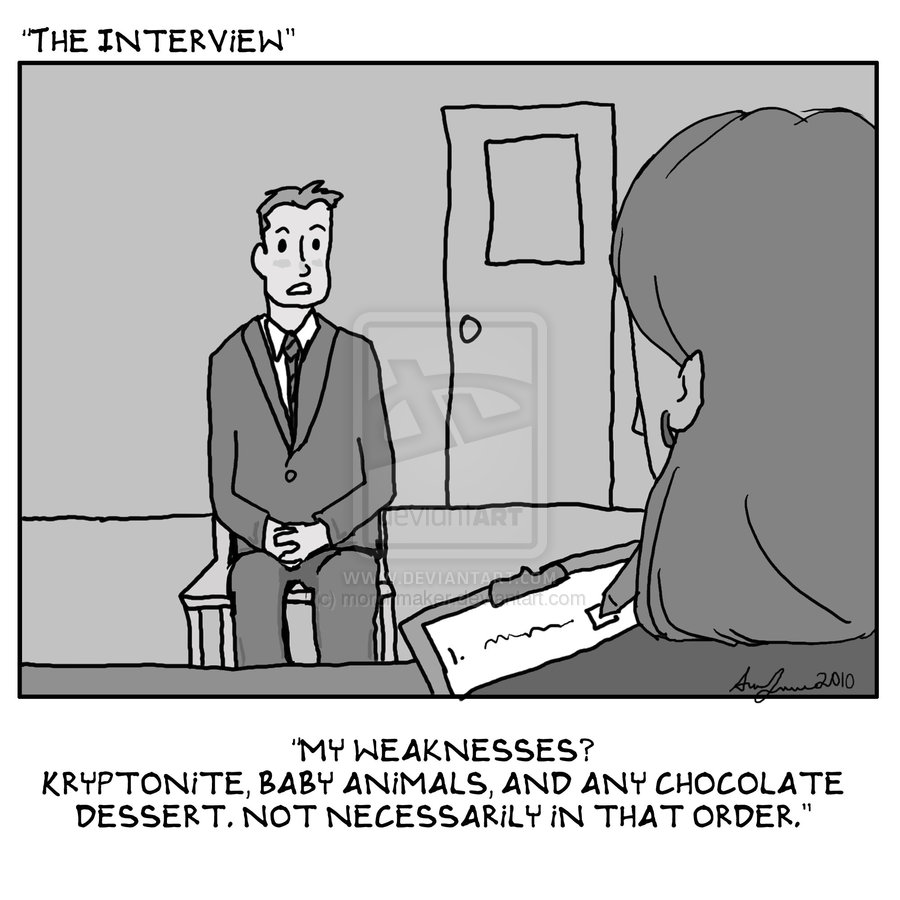
interview-comic

They’re going to Google you. You need to Google them. Most candidates miss this step of the interview process. Gathering this information about your interviewer can give you huge leverage in the actual interview. It takes some extra time and effort, but it’s well worth it.

To make this work, you need one small piece of information, specifically, your interviewer’s name. The best time to get this information is when they call to set up the interview. At some point during the call, you can ask something like, “Do you know who will be conducting the interview?” They’ll probably give you the name. If not, at least you asked. Another place to check is on the appointment invite. They might send you an Outlook appointment, which might include who will be in the room.

Here’s your pre-flight checklist:

  1. Google: This is where I start my investigation. A quick Google search will help you discover a few initial leads for your hiring manager’s background. It’s probable that you won’t find much right off the bat unless the person is a CEO or for some reason has a significant web presence already set up.
  2. LinkedIn: One of the first things you’ll probably find if you look up “Person’s name” and “location” and “company” in Google is the manager’s LinkedIn page. LinkedIn lets you see a public profile. It doesn’t have everything, but it has enough to get you started. Most working professionals these days have a decent profile on LinkedIn. You might have to go through a few different profiles to find one that matches who you think is your hiring manager.
  3. Current company: LinkedIn is very likely going to tell you where that person currently works. It’s not just enough to know what company it is. At least go check the company’s website, a few of their recent press releases, their Wikipedia page, and even potential competitor’s pages. Get to know their industry. Be prepared to talk about it, but don’t try to teach them about it. I guarantee they’ll know more about it than you do.
  4. Previous companies: This step is more about seeing your hiring manager’s past. Have they bounced around a lot through different companies and industries? Have they been promoted recently? Have they been in the same job for the past ten years straight? Do you have any companies or jobs in common? Knowing this information will help guide your answers to content that they will resonate with.
  5. Coworkers: When you look them up on LinkedIn, do you have anyone in common? The world is a lot smaller than we think it is, especially if you are in a specialized industry. If you do have a mutual contact, give that person a call. Tell them that you’re applying for a position with his or her former coworker. Ask a few questions about the hiring manager’s style, background, and interests. If you know your mutual friend very well, you might consider having them put in a good word for you. Be careful not to have more than one or two people put in a recommendation for you. This can get annoying for your hiring manager.
  6. Schools: Most schools take 2-4 years to get through. This is usually a fond memory for most people. You might be able to reminisce about campus life. You might share a love for the same basketball team…you might also be rivals. Just be aware. 🙂
  7. Articles/Books: Some people are published authors. They might have these papers or books listed on their LinkedIn page. You might try a couple Google searches just to make sure. This can give you some deep insights into your hiring manager’s personal style and what they’re really interested in. It will also really impress them if you go in and tell them that you read his or her book, and you really liked some particular principle.
  8. Blogs: This is the less formal version of an article, but it’s usually more personal. Again, this helps you understand what they care about, and gives you a couple additional talking points.
  9. Groups they follow: LinkedIn shows you the groups that your hiring manager is a part of. A single group probably won’t give you a very reliable answer. They may have just signed up on a whim. On the other hand, if they’re signed up for 25 different stamp collector groups, you might have just struck gold.
  10. Facebook, Twitter, Pinterest, Instragram, Tumblr, Jelly…: And then everything else. Sometimes your hiring manager won’t have a Facebook page, or it will be closed to outsiders. Sometimes it’s a life history. It’s worth a look. Twitter is good for helping you see who your hiring manager follows (news organizations, industries, influencers, etc.) and who is following them. Pinterest might tell you what kind of cookie recipes they like… 🙂

Bottom line: The more you know about your hiring manager, the better. If you’ve done your homework, you’ll find that you’ll be able to connect with your interviewer more quickly and at a deeper level. Knowing their background will also give you some ideas about what kinds of questions they might ask, and what answers they may be looking for. If you’re getting ready to go into an upcoming interview, give me a call or send me a text.
What if My Interviewer Doesn’t Give Me the Chance to Present My Portfolio?

I believe the best time to present your portfolio in a first interview is at the very beginning of the meeting. Most interviewers will start with a question such as “In 3-5 minutes tell us about yourself.” This is your cue to respond with something like, “I’ve prepared a visual portfolio to do just that. Here is a copy for each of you.” And then you’re off.

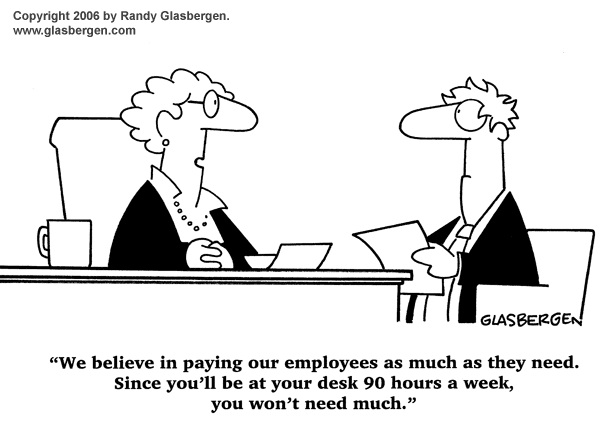
salary-comic

But occasionally I hear from clients that the interviewers skip the introductions and go straight into the scripted questions. What do you do then? Don’t despair. You’re still in control. You have four options.

  1. Stop the interview and insert your portfolio. This probably isn’t a good idea. Interviewers want to feel in control of the conversation. Disrupting the flow, especially with interviewers who skip the chit chat, will turn into an awkward situation really quickly. But at least know that it’s an option.
  2. Don’t use the portfolio at all. This is ok, but you’ll probably feel a frustrated because you had a secret weapon that they didn’t let you use. It might throw off your grove through the rest of the interview, unless you have a backup plan like option 3.
  3. Slip it in at the end. Even if your interviewers skip the get to know you questions at the beginning, almost every panel will ask you at the end, “Do you have any questions for us?” If you feel like you can only ask one question, say “I’ve prepared a portfolio for you to review. I would love the chance to spend a few minutes with you in a future interview to walk you through it and show you why I feel I’m the best candidate for this position.” If you feel like you could ask a couple questions, ask about wildly successful projects first, and then tease the portfolio.
  4. Include a link to it in the thank you letter. If your interviewers are super hard core, or they run out of time, they might not even give you the chance to ask questions at the end. If this is the case, there’s still hope. When you send your thank you letter to your interviewers the day after, include a link to your portfolio. I recommend that candidates put the portfolio in the public folder of their Dropbox, and put that link into a link shortener like Bitly.com. You can shorten the Dropbox link to a custom URL like http://bit.ly/jacob-lindsay-portfolio. This is short enough that you could also write it out on a physical thank you card. The best part about Bitly is that you can track if anyone has clicked that custom link. If you see a click on it, then you know your interviewer has at least opened it.

Bottom line: If you don’t get to present your portfolio at the beginning of the interview, don’t lose heart. You still have a couple ways to get your wildly successful projects in front of your interviewer. If you would like to talk more about interview best practices, give me a call, or send me a text.

9 Tips for a Killer Cover Letter

Sometimes I get asked by my clients about when it’s appropriate and/or necessary to write a cover letter. The general answer is that it almost never hurts, “almost” being the key word there. Getting a job is all about scoring more points than the next candidate. Lucky for you, it’s really not that hard to win, because many candidates go in with nothing more than an average resume. Everything else that you do above and beyond the typical resume shows that you are polished, prepared, and that you have a real passion for the job you are applying for.

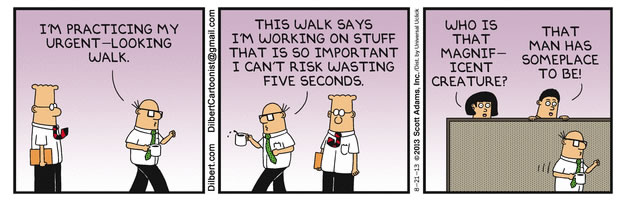
dilbert-urgent

A well-written cover letter scores you more points. A poorly-written, misinformed letter hurts you. Cover letters are especially useful when you are applying for a job with a company that you don’t currently work for. It helps you build a conversational relationship with your hiring manager and helps you highlight the top few things that set you apart from the other candidates.

Here are nine tips to guide you as you write your cover letter:

  1. Keep it short. I can’t emphasize this enough. Long and wordy paragraphs will not get read by your hiring manager. Don’t go any longer than three-fourths of a page. If you can keep it to half a page, even better. Don’t use a small font to cram everything into it to still meet the length restriction. 🙂
  2. Put your contact info at the very top. Just like everything else that you give your hiring manager, it needs to have your name, phone number, and email on it. You want to make it as easy as possible for them to call you at any time.
  3. Be gracious. Be assumptive, but not pushy in the letter. You want your hiring manager to know that you’re very interested in the job, but don’t let it feel like you have a sense of entitlement or that you deserve the job. Let them make the decision. Thank them for taking the time to read the letter.
  4. Introduce yourself. Briefly. Take one or two short sentences to tell them what you’re currently doing. Include your name and job title.
  5. Highlight your top three qualification for this specific job. Quickly state why you’re the top candidate for the position. Focus on the results you’ve achieved, rather than just on the things you’ve done. Use phrases like “I increased online sales revenues by 325% in under six months by integrating A/B testing into our email marketing strategy.” Keep it concise.
  6. Show that you know the company and their industry. This is where it gets a little more difficult. You want to show him or her that you have done your research. Google the company. Read some of their press releases. Find out about their industry. Find out who their competitors and allies are. Try to summarize this briefly in a few sentences. Don’t speak like you’re their next CEO. Just keep it simple and show you’re informed.
  7. Give them a couple suggestions for improvement. This is the most difficult part. It’s a fine line between criticizing and showing that you want to contribute what you’ve learned in the past to their organization. Just be careful that you’re not stating the obvious. If you are not 95% sure that you have a solid suggestion, just skip this section.
  8. Restate that you hope to get an interview. If you’ve shown you have what they’re looking for, you know their company, and you have something valuable to contribute, this part should be easy. Tell them you would love to work with and grow with their company. Tell them you would like to talk more about how you can contribute to their organization.
  9. Sincerely, you. Sign it. Easy peasy.

Cover letters, more than anything else you submit during the application and interviewing process need to be specifically written for each particular job. If you’re applying to a lot of jobs and don’t have time to write cover letters for each one, in my opinion, it’s better to not submit a cover letter at all. If it’s generic, it’s probably not going to get read.

If you would like suggestions or help writing your next cover letter, give me a call or send me a text.
20 Book Titles to Drop in an Interview

From one of my favorite business books Paid to Think by David Goldsmith: “Various studies have indicated a link between reading business books and earning more money…fifty-one percent of leaders spend more than four hours a week reading to stay informed.”

dilbert-books

So two things to takeaway from this. First, if you want to earn more money, read more books (I recognize there isn’t a direct correlation here). Second, you should be aware that your hiring manager probably reads a lot. Most of their good ideas that got them into their management position, probably came from books they read. You will likely win some extra points if you drop a few (not all twenty) book titles or related concepts during your interview. Be prepared to be able to discuss any of them that you mention though. They might start digging and you will want to be prepared to answer tough questions. Mentioning books like this shows a hiring manager that you are interested in consistently learning about new ideas and applying them to your work.

This isn’t a comprehensive list of books that can score you points in an interview. These are just a few of the books that I’ve stolen ideas from. 🙂

  1. Winning, Jack Welch: Jack was the CEO of General Electric for many years. He’s a no-nonsense leader with a lot of great practical advice.
  2. The 5 Levels of Leadership, John Maxwell: Another classic leadership book. John was originally an Christian minister, who later became a leadership evangelist.
  3. The 21 Irrefutable Laws of Leadership, John Maxwell: More great stuff. Everybody loves lists, right?…
  4. Outliers, Malcolm Gladwell: Malcolm highlights some interesting concepts about how people stand out from the crowd. Tipping Point is also a great read.
  5. The Gamification Revolution, Gabe Zichermann: Gamfication is pretty trendy around the office these days.
  6. Tribes, Seth Godin: Godin is one of my heroes right now. This book inspired me in part to start this website/book adventure. The book focuses on helping you see the need to lead people with similar interests.
  7. Platform, Michael Hyatt: Another famous blogger. Michael talks about leadership and online blogging/marketing.
  8. The Innovator’s DNA, Jeff Dyer: The foundation for this book is Clayton Christensen’s book Innovator’s Dilemma. Jeff’s book takes these concepts and uses them to discuss how leaders can become more creative.
  9. The Innovator’s Dilemma, Clayton Christensen: Read the original book. Any of the others in the series will make more sense if you do. Basically, mature companies continue to use the same technology because it works well. Then some other little company creates a new technology that helps them grow very quickly. The big company ignores them, because they think their size will save them, and it’s hard for big companies to change.
  10. To Sell is Human, Daniel Pink: Daniel is known for studying motivation in the workplace. Drive is a nifty book too. In this book he talks about how we should all spend some time learning how to sell, not used car salesman selling, but authentically providing real solutions to people’s problems.
  11. Paid to Think, David Goldsmith: A handbook for leading in a large corporation. This is where I first encountered the concept of wildly successful projects.
  12. The Lean Startup, Eric Ries: This book describes how to create and grow a successful startup business. It focuses on iterative product development and testing with users. You pivot your product design based on feedback from from users.
  13. Never Eat Alone, Keith Ferrazzi: Keith is the master of networking. He teaches readers how to reach out to their friends, family, and colleagues in order to advance their careers.
  14. Great by Choice, Jim Collins: One of the business classics. Jim has done extensive business research to determine the key qualities of the leaders who guided their businesses through tough times and beat out the competition. Well-known concepts from the book include the twenty-mile march, 10Xers, leading above the death line, and SMaC recipes.
  15. Influencer, Kerry Patterson: This book helps leaders understand how to build and organize centers of influence to drive change within an organization.
  16. Crucial Conversations, Kerry Patterson: Another book by Patterson. There is some crossover in the concepts, but this book focuses more on best practices for approaching and holding difficult conversations.
  17. Multipliers, Liz Wiseman: This book does a great job of describing how leaders can either hoard power and isolate their employees, or instead empower their employees to become problem solvers. The latter multiples the capacity of the organization to get much more work done.
  18. The First 90 Days, Michael Watkins: This book works especially well for interviews because it shows that you’ve studied how to get up to speed quickly in a new job and start delivering value to the organization.
  19. 12: The Elements of Great Managing, Rodd Wagner: One of my personal favorites. The Gallup Organization conducted over 10 million interviews across 114 countries to find out what helped employees feel satisfied and motivated. Applying these 12 principles will revolutionize your team and change your career.
  20. Getting Things Done, David Allen: Hiring managers want to hear that you can deliver results. This book discusses how you can prioritize the work and maximize your output.

I would highly recommend all of these books. I’ve enjoyed each of them for different reasons. These and other business books have made me the manager I am today. I don’t claim to be the source of good ideas, but I know where to go to get them. If you would like more book recommendations, give me a call or send me a text.

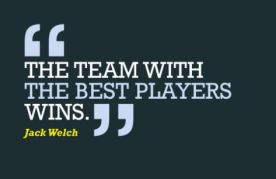
business-card-front welch-players-card

Don’t Forget Your Sleeping Bag: 9 Things to Take to an Interview

When I was in scouts we used to go on a lot of camping trips. About once a month we would go with the other young men up to the canyon for an overnight adventure. About 20 minutes after we left our scout master’s house, inevitably one of the scouts would say that he had forgotten some critical item such as a sleeping bag, a coat, or even heaven forbid, toilet paper. At some point along the way, our scoutmaster gave us a checklist of things to review before we left our house. This helped prevent many uncomfortable and avoidable experiences. 🙂

russell-up

Here’s my pre-flight checklist before I go into an interview:

  1. A suit and a tie. Dress to impress. You should always try to be one level above your interviewer in regards to clothing. It’s an easy way to quickly capture their respect. If you walk in and feel like you’re way overdressed, you can always take your jacket off.
  2. A leather folder. It can be fake leather…but just make sure it looks nice. This is another easy way to look polished in an interview. It also prevents your documents from getting wrinkled.
  3. A pad of paper and pen. When you open up your folder, have a pen and paper waiting. I always appreciate it when candidates take a few notes during the interview about the things we discussed. It makes it clear that you as the interviewee are engaged and passionate about the job. Make sure to jot down the names of each of your interviewers and what they do so that you can write a good thank you note after the interview. Just don’t write too many notes that it’s distracting.
  4. Six copies of your resume. Most interview panels have five or less people on them. You should be safe with six copies so that you can have one for yourself to look at. Remember that they’ve already looked over your resume prior to the interview. That’s why you got the interview. But it’s a time-honored tradition that you bring resumes to an interview. You might consider bringing in a more creative version of your resume that catches their attention.
  5. Six printed copies of your portfolioThe career portfolio is the number one way to win an interview. It gives your interviewers a chance to see visual evidence of your wildly successful projects. It also focuses the interview so that they ask questions about the things you’ve done in the portfolio rather than about things you haven’t done. Print a copy for each person so that he or she can take it with them. Bringing in a portfolio also shows your panel subconsciously that you’re going to go the extra mile in your future position too.
  6. Six classy business cardsSet yourself apart from the competition and make sure that your interviewers have a very easy way to get a hold of you. Hand them out at the end of the interview on your way out the door.
  7. A silenced cell phone. Don’t forget to turn off your cell phone before the interview. An obnoxious ring tone can really disrupt the vibe of your interview.
  8. Quick, but engaging stories. If you’ve done your homework, you’re going to know a lot of the questions that your interviewers are going to ask. Make sure that you have a quick and powerful story to answer each one. The story should take no longer than 60 seconds to share. Engaging stories are the evidence behind your resume.
  9. Ten extra minutes. Get to the interview ten minutes early to give yourself some time to cool down and relax. Make sure you’re in the right place so that you’re not late. Also, if the previous interview gets out early, you’re ready to go. Take a few minutes to look over your resume and portfolio one last time and do a quick run through of your answers.

If you walk into an interview with these nine things, chances are very high that you’re going to leave a very positive impression on your interviewers and they will likely give you a call back. If you’ve got an interview coming up that you would like some coaching for, let’s get together.

Polish Off an Interview with a Classy Business Card

What should be your number one objective for an interview? Get a call back! How do you increase your chances that they won’t lose your contact information (it happens, they’re people too) and miss your chance? Leave them with a slick business card. To get extra credit points, make sure it’s heavy. Studies have shown that the perceived value of heavy objects is greater than the value of light objects. My favorite business card company right now is Moo.com. Check them out.

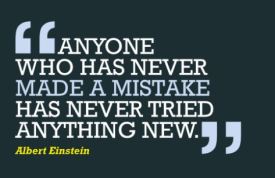
business-card-front einstein-card

Now lots of people have business cards and a lot of them give them away like candy. But how many have given me their card at the end of an interview? Very few. And how many have given me a glossy card that makes me want to call them five minutes out of the room? Well, so far just one. And he got the job.

The bottom line is that the interview process is all about setting yourself apart from the pack. You can’t have a terrible interview and then suddenly win over your hiring manager with a business card. But that little glossy card could be the one extra point that puts you ahead of the next guy or gal. And after all, in almost all job interviews, there is only one winner. Make sure it’s you.

If you’re ready to start planning how you’re going to win over your next hiring manager, let’s get together and talk.

Go from Unemployed to Self-Employed in 60 Minutes

From my experience in my current job as a hiring manager, I’ve seen that it is almost always a bad idea in any interview to say that you are unemployed, or to have a gap on your resume from your last job to now. This tells the interviewer unconsciously that nobody else wants to hire you so they don’t want to hire you either. It’s a steep uphill climb from there.

But…the beautiful thing for you is that it is a very fine line between unemployed and self-employed. It’s your choice to cross that line. No hiring manager can stop you. Saying that you are self-employed always looks better on a resume than unemployed.

square

How do you become self-employed? It’s surprisingly simple. Pick something you’re passionate about that is closely related to the job you’re applying for. Set up a couple social media pages on Facebook, Twitter, etc. so that a hiring manager can find evidence of your business if he or she goes looking for it. Create a blog about your business, write a couple articles, and post links to them on your social media sites. Take 10 minutes to join a website like oDesk.com and start bidding on jobs related to your new business. Set up an account with Square so that you can start taking payments from a mobile device or through your blog. Call your ten best friends and tell them about it. Ask them if they want to be your first clients.

Congrats! You’re now self-employed.

Guess how much this all cost? Zip. You just set up a business for free, and now your getting experience in the job field where you’re trying to get hired, and you can talk about it in your next interview. Pretty cool, huh?

If you’re ready to go from unemployed to temporarily self-employed, let’s talk.

Thank You for Writing a Thank You Letter

As a hiring manager in my day job, I do a lot of interviews, probably 5-10 each week on average. Sometimes a lot more than that. Of all the interviews I do, only 1 in 4 will send a thank you email. About 1 in 50 will send a handwritten thank you. If you want to stand out from the crowd, this is an easy way to do it.

thank-you-card

Here are eight elements to a good thank you letter:

  1. Address the interviewer. In the interview take note of who is in charge. Write down everyone’s name, but don’t be creepy about it. Address the person in charge, but you can scatter the other names in the letter. This makes it feel more personal.
  2. Keep it short. This isn’t an essay. It should only be a few sentences. This isn’t the place where you put in all the stuff you forgot to say in your interview.
  3. Restate your strongest qualifications. In the interview they probably told you the skills and qualities they’re looking for either explicitly or implicitly. Target what they’re looking for and remind them that you have those things. Don’t talk like a used car salesman.
  4. Send the letter within an hour of the interview. Keep the conversation going. This reminds the interviewers that they met with you and that you’re awesome. The longer you wait, the less relevant the gesture becomes, because they’ve likely already made a decision, and the thank you letter won’t affect the outcome.
  5. Do a favor for them. They might ask you for something during the interview. For example, they might find out that you did a project that relates to something they’re working on. Send them a copy. They might find out that you have a connection to someone they’ve been trying to get a hold of. Send them the contact info. Show them that you can add value to their team.
  6. Get started. They probably mentioned in the interview something that you aren’t an expert at yet. If someone shared the title of a book they liked, put it on hold at the library, and tell them about it. If they talked about how Excel pivot tables are awesome, go watch a couple videos about them on Lynda.com. Showing that you did this demonstrates your passion for learning and eagerness to get started.
  7. Send some links. It’s hard to show off your full-length movie in a 30 minute interview. Send them links to projects you’ve worked on or a digital copy of your portfolio that they can review later. Your printed portfolio will likely end up on their desk in a pile of other resumes. The that you email or card is something they can easily go back to and look at. If you’re going to write a handwritten letter consider using a short bitly link to point them to your content.
  8. Include your contact info. Make sure that it is crazy easy for them to contact you. You want them to call you and offer you the job. Show that you are easily accessible.

Thank you letters are quick, easy, and can put you one point ahead of the next candidate. Make a habit of sending them after each interview. Let’s talk about prepping a thank you letter for your next interview.

Prezi: Your Interview Trojan Horse

Sometimes you’ll get a homework assignment in association with your interview. Typically if this happens, they’ll say something like, “please be prepared to present for 3-5 minutes on your findings.” Present is your keyword to whip out your Prezi skills. If they don’t mention anything about a projector, you might consider asking them if there will be one in the conference room that you an use.

prezi-banner

If they don’t give you a homework assignment, don’t prepare a digital presentation. Just come with a print-based portfolio. Don’t try to use the projector. It’s a big risk. You might prepare something and they might not have one in the room.

Don’t use PowerPoint. Just don’t do it. As soon as your interviewer sees the bullets his or her brain will turn off. Hiring managers usually have to give a lot of presentations as part of their job and they probably know PowerPoint very well. You have to work really hard to impress them with PowerPoint.

The bar is much lower for alternative presentation technologies. Prezi is a great solution. It’s simple to learn, it’s free, and it has the wow factor that PowerPoint lacks.

If this is your first time around the Prezi block, don’t worry. There are a lot of classy built in templates that you can use. Just focus on minimizing your text, using some good images, and keeping it short. Don’t go over the time they gave you. When you have your presentation ready, download it to your laptop. You don’t want to risk getting into the interview and having wireless problems.

If you really want to blow their minds, check out impress.js or reveal.js. These are JavaScript libraries that let you animate an HTML file. You can run it in your browser from your laptop without wireless, but you’ll probably need a decent foundation in HTML to figure these technologies out.

What about Keynote? This is the Mac equivalent of PowerPoint. I would still recommend Prezi over keynote. If you are adamant about Keynote though, make sure to include some magic transtions. Many people haven’t seen these before and they are easy to put together.

Bottom line. Fancy tech increases your credibility with your interviewer and the standard for success is much lower for Prezi. If you want to talk about Prezi design best practices or how to knock you interview out of the park, let’s talk.

Ask to Sit in on Interviews

I’ve noticed that very few people have had the opportunity to conduct interviews. Sitting on the other side of the table and then hearing the discussion after the interview can be a very enlightening experience. It helps interviewees better understand what panels want to hear.

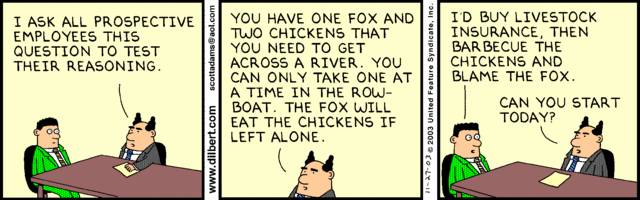
interview-fox

That being said, when conducting an interview, you probably don’t want more than four interviewers. Why? Well, first, it means that other daily work isn’t getting done, and second, you don’t want to intimidate your interviewee so much that they aren’t able to act naturally.

When I conduct an interview, in addition to myself, I try to have a couple team leads and one other employee (the learner) there. Before the interview, it’s best to do some coaching with the learner if it’s their first time. Suggest a couple good questions they could ask. Give them a nod in the interview when it’s his or her turn. After the interview take a few minutes to ask them how it went and what all of you could have done better.

What’s most important is that they get to hear and participate in the decision making process of choosing one candidate over another. As a leader, take the time to guide them and teach them. Highlight things you noticed about what the candidates did well or didn’t do well.

At the end ask them what they will do differently in their next interview based on what they saw and heard. Have them write it down so they don’t forget. You’ll be amazed at how fast this can build a person’s confidence and interviewing skills.

Over time, you’ll get two great rewards from this investment. First, your team members will perform better in their interviews and second, you’ll be able to delegate more of these responsibilities over time, opening yourself up to do more complex work in the future.

If you would like to know more about coaching your team members about how to be good interviewers, let’s get together for a free consultation. You can also give me a call or send me a text.
business-card-front einstein-card